The Natural Wealth of Azerbaijan
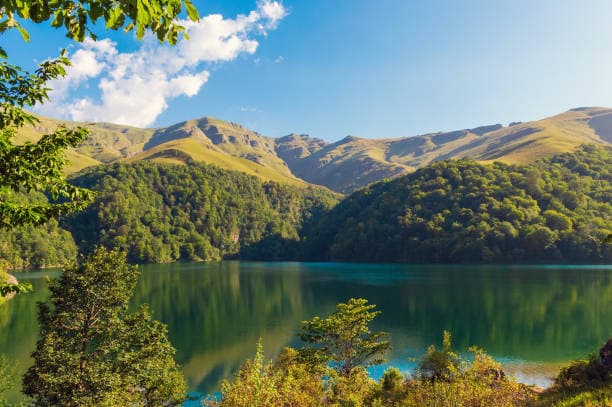
From majestic mountain ranges and fertile valleys to lush forests and the Caspian Sea, the country shelters thousands of species of flora and fauna.
This rich biodiversity makes Azerbaijan a true natural treasure and a vital habitat for many endangered species.
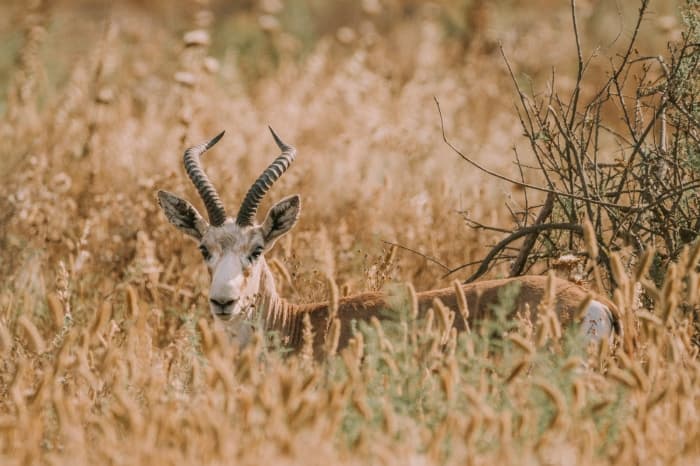
Shirvan National Park
Azerbaijan has a rich and diverse flora with more than 4,500 species of flowering plants. Compared to other countries of the South Caucasus, its flora is significantly richer, representing 66% of all plant species found in the region.
Relict and endemic plant species are especially widespread in the Talysh area, including ironwood, Hyrcan acacia, chestnut-leaf oak, and many others. This rich vegetation provides vital habitats and ensures ecological balance within the territory.
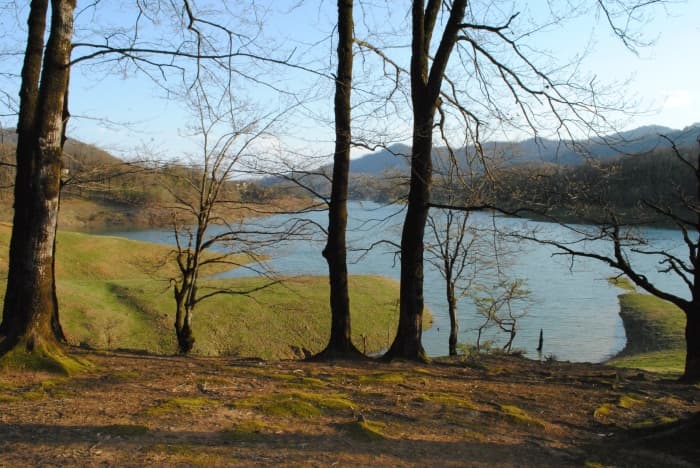
Hirkan National Park
Hirkan National Park was established on February 9, 2004, to protect the unique forest ecosystems of the Talysh Mountains. Covering 40,358 hectares across Astara and Lankaran regions, the park stretches along the Caspian Sea coast and stands out for its exceptional biodiversity. Its humid subtropical climate supports a wide variety of plant and animal species.
The park represents the core area of the globally significant Hyrcanian Forests, home to numerous relic and endemic species. This makes Hirkan National Park one of the most important natural heritage sites in Azerbaijan and a rare ecological treasure in the South Caucasus.
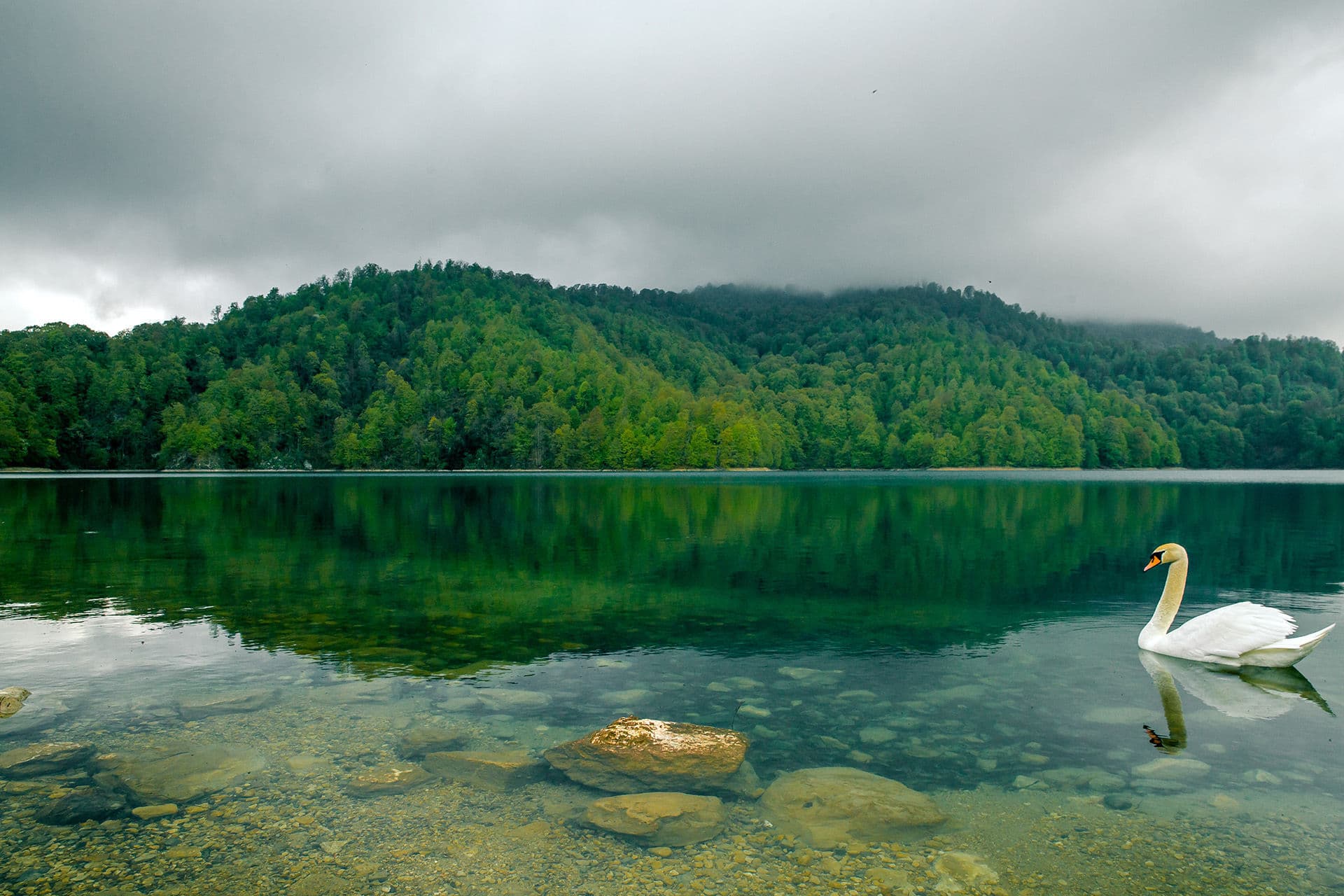
Göygöl National Park
The forests surrounding Lake Göygöl are globally known for their richness, scenic beauty, and biodiversity. The area has a pioneering conservation history — Göygöl State Nature Reserve was established in 1925 as the first reserve in Azerbaijan. In 2008, the area was expanded to form Göygöl National Park, covering 12,755 hectares across Goygol, Dashkasan, and Goranboy districts.
The high mountain forest ecosystem, pure water bodies, and impressive landscapes make this park ecologically significant. Lake Göygöl itself is considered one of Azerbaijan’s most beautiful natural landmarks, famous for its crystal-clear, deep-blue water and serene environment.
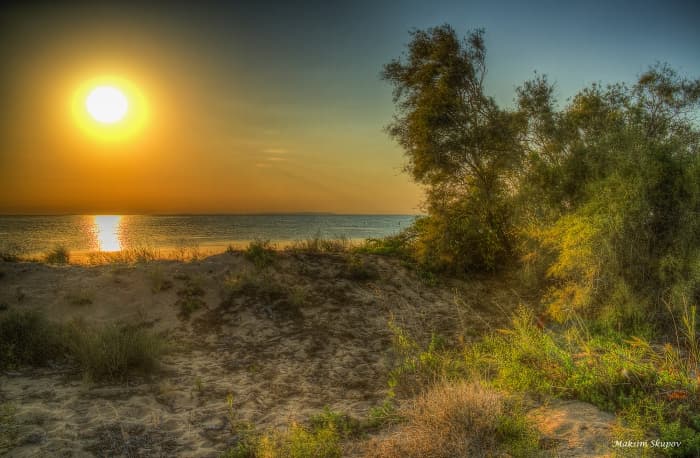
Absheron National Park
Absheron National Park is one of Azerbaijan’s most distinctive protected natural areas. Established on 8 February 2005, the park was created to preserve the unique coastal ecosystems of the Absheron Peninsula along the Caspian Sea. Its landscape combines seashore zones, wetlands, and semi-desert terrain.
Covering an area of 783 hectares, Absheron National Park serves as an important habitat for biodiversity and a key stopover for migratory birds. The park plays a vital role in conserving endangered species and maintaining ecological balance in the region.
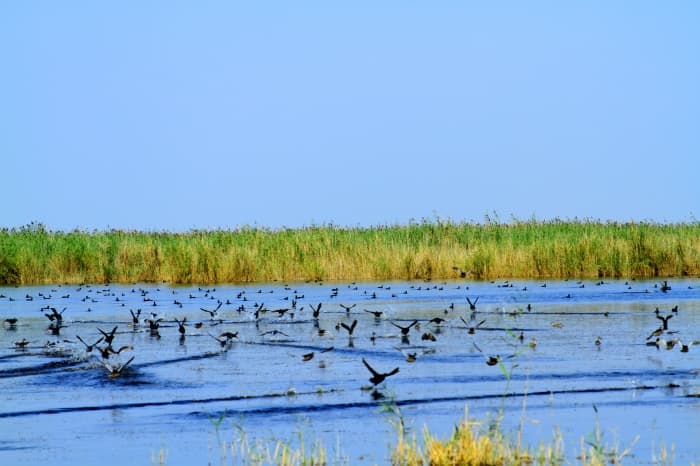
Aghgol National Park
Aghgol National Park was established on 5 July 2003 to protect important wetland ecosystems of Azerbaijan. The park is located in the Kura–Araz lowland, within the territories of Aghjabadi and Beylagan districts, and is recognized as one of the country’s key bird habitats.
Covering an area of 17,924 hectares, Aghgol National Park features semi-desert landscapes, flatland lakes, and extensive wetland areas. Due to its location along major migratory routes, the park plays a crucial role in conserving biodiversity and maintaining ecological balance.
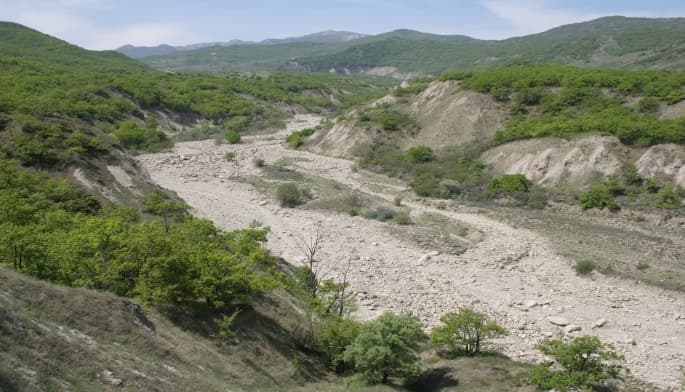
Altıagac National Park
Altıagac National Park was established on 31 August 2004 to protect mountain and forest ecosystems of Azerbaijan. The park is located on the southeastern foothills of the Greater Caucasus Mountains, within the Khizi district, and is known for its diverse natural landscapes.
Covering an area of 11,035 hectares, Altıagac National Park features mountain forests, alpine meadows, semi-desert zones, and forest-steppe landscapes. This diversity enhances the park’s biological richness and plays an important role in maintaining ecological balance.
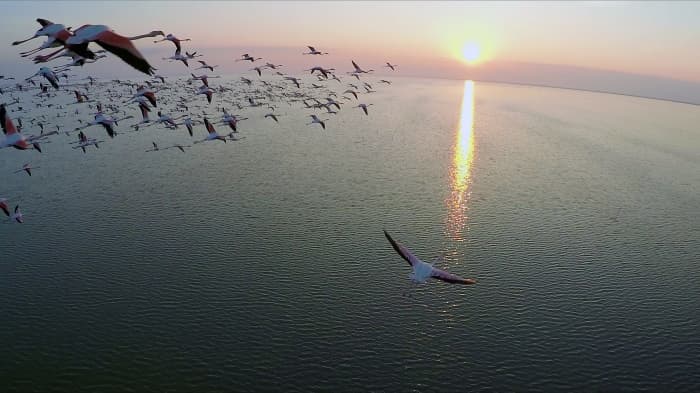
Gizilagaj National Park
Gizilagaj National Park is one of Azerbaijan’s largest and most ecologically significant wetland protected areas. Established on 26 September 2018, the park was created to conserve unique ecosystems along the Caspian Sea coastline. It spans the territories of Lankaran, Masalli, and Neftchala districts.
Covering an area of 99,060 hectares, Gizilagaj National Park is characterized by extensive wetlands and coastal ecosystems. The park serves as a major migration and wintering site for birds and plays a crucial role in protecting rare plant and animal species.
Samur-Yalama National Park
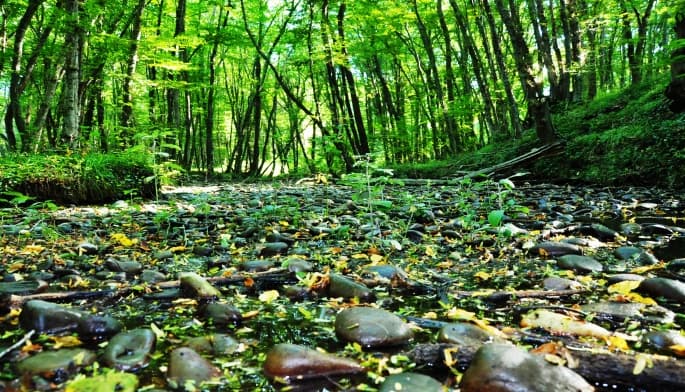
Samur-Yalama National Park is an important protected natural area located in the north-eastern part of Azerbaijan. Established on 5 November 2012, the park is situated in the Caspian coastal zone, within the Samur-Shabran lowland in the Khachmaz district. The area is of special importance for the conservation of lowland forest ecosystems.
Covering an area of 11,772.45 hectares, Samur-Yalama National Park is characterized by a combination of forest and plain landscapes. The park plays a vital role in preserving biodiversity and maintaining the ecological balance of the Caspian coastal region.
Shahdag National Park
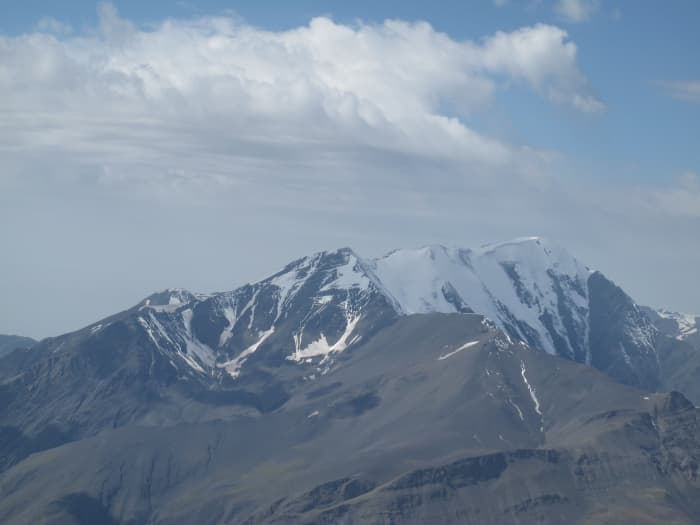
Shahdag National Park is one of the largest and most ecologically significant protected areas in Azerbaijan. Established on 8 December 2006, the park is located within the Greater Caucasus mountain range and spans the territories of Quba, Qusar, Ismayilli, Gabala, Oghuz, and Shamakhi districts. This vast area is of strategic importance for the conservation of mountain ecosystems.
Covering an area of 130,508.1 hectares, Shahdag National Park features a diverse combination of mountain forests, alpine meadows, and rocky landscapes. The park includes multiple altitude zones, resulting in rich biodiversity and playing a vital role in maintaining natural ecological processes.
Zangezur National Park
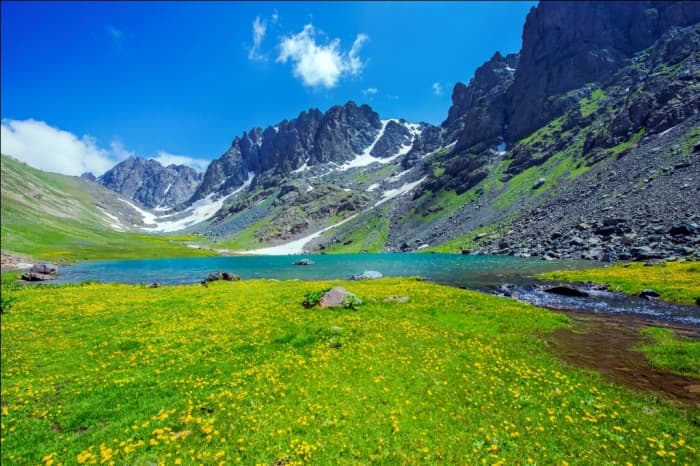
Zangezur National Park is one of Azerbaijan’s important protected natural areas, located in the Lesser Caucasus mountain range within the Nakhchivan Autonomous Republic. Established on 16 June 2003, the park plays a key role in preserving rare mountain ecosystems and regional biodiversity.
Covering an area of 42,797.4 hectares, Zangezur National Park features a diverse landscape of mountain forests, alpine meadows, and rocky terrain. The variation in altitude creates favorable conditions for a wide range of plant and animal species to thrive.
Ilisu National Park
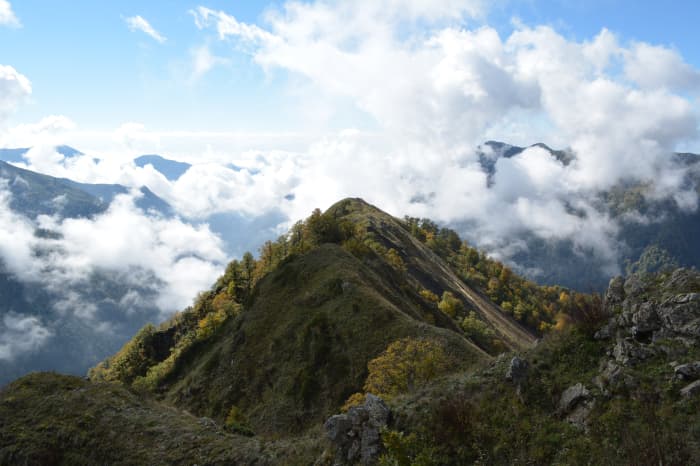
Ilisu National Park is one of Azerbaijan’s important protected natural areas, located on the southern macro-slope of the Greater Caucasus Mountains. Established on 14 July 2025, the park covers parts of the Qakh and Zagatala districts and aims to preserve mountain ecosystems and biodiversity.
Covering an area of 13,966 hectares, the park extends from 550 to 2,500 meters above sea level. Its landscape includes alpine and subalpine meadows, steep mountain forests, rocky terrain, foothill grasslands, and river valleys. This diversity of natural features contributes to the park’s high ecological value.
Axar-Baxar National Park
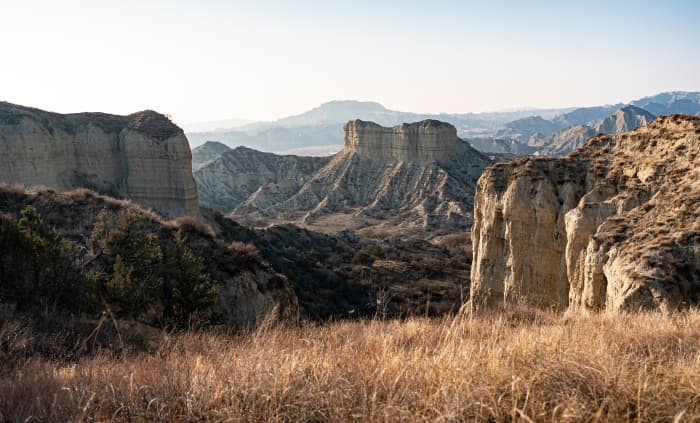
Axar-Baxar National Park is one of Azerbaijan’s important protected natural areas, located across the Qakh, Samukh, and Yevlakh districts. Established on 14 July 2025, the park aims to conserve rare ecosystems formed under diverse climatic and geographical conditions.
Covering an area of 23,901.99 hectares, Axar-Baxar National Park features a complex landscape structure. The territory includes grey mountains with juniper and pistachio woodlands, arid semi-desert steppes with xerophytic and ephemeral vegetation, as well as tugay forests and reed beds along the Ganikh River. This diversity creates favorable conditions for rich biodiversity.